Weight loss in the elderly - how to prevent malnutrition and its consequences
This article is translated with AI and written from Swedish conditions. Hopefully, it can inspire those interested from other countries.
Weight loss in the elderly is not a natural part of aging but a serious health problem that requires active attention. Through screening, individual dietary measures, and increased knowledge, we can prevent malnutrition and its consequences.
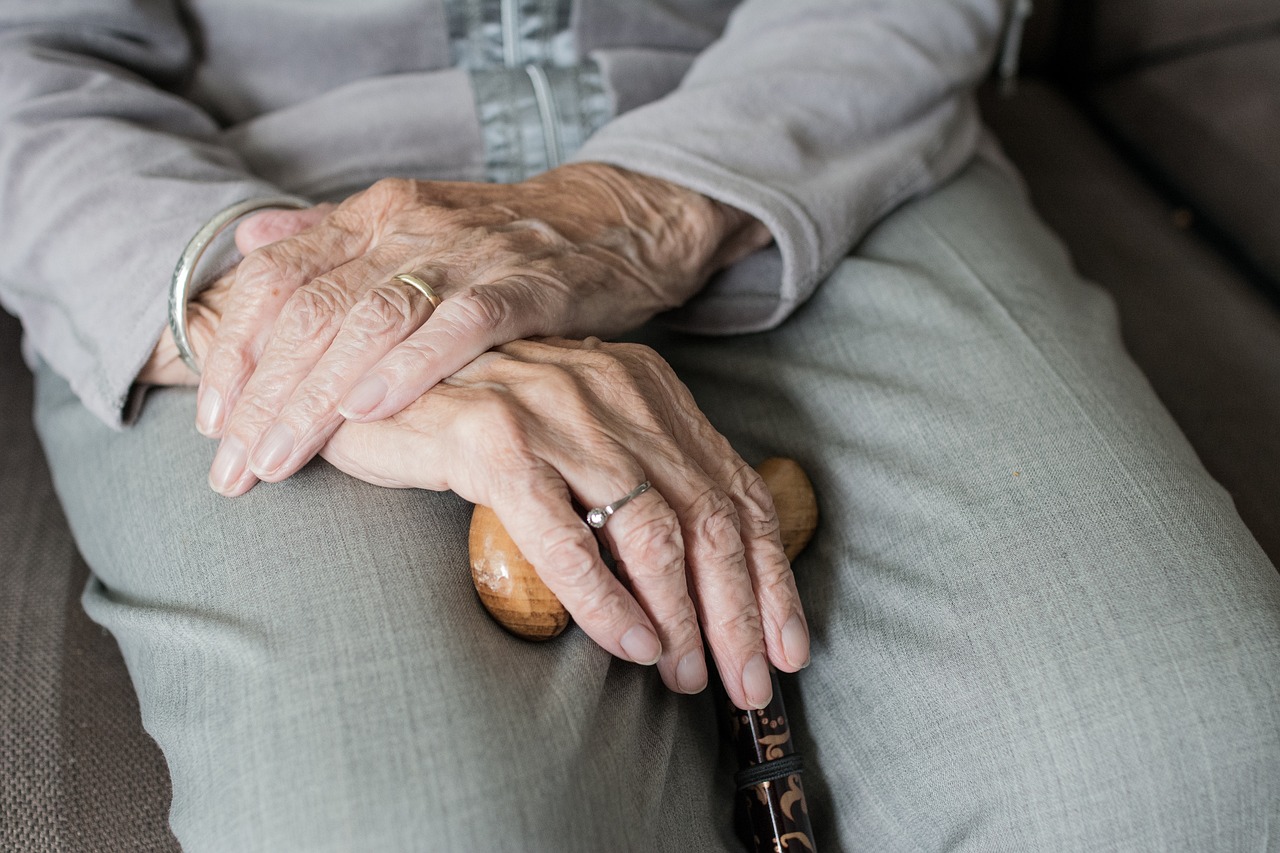
Weight loss in the elderly - not a natural part of aging
A common misconception
Many believe that weight loss is an inevitable part of aging, but this is a dangerous myth. Professor Tommy Cederholm emphasizes that we must stop accepting weight loss as normal and instead see it as a warning sign that requires attention and action.
Why is weight loss a serious problem?
Consequences of malnutrition
- Loss of muscle mass and functional ability
- Poor wound healing
- Increased risk of complications from illnesses
- Decreased immune system
- Lower quality of life
Causes of weight loss
- Decreased appetite and taste
- Swallowing difficulties and dental problems
- Social isolation and loneliness eating
- Chronic diseases and increased nutrient consumption
How we can prevent and manage weight loss
Early detection and documentation
Regular weight checks
- Document weight loss of ≥5% in 1 month or ≥10% in 6 months
- Use screening tools such as MUST (Malnutrition Universal Screening Tool)
Observations of eating habits
- Note how much is actually eaten
- Pay attention to changes in eating behavior
Individualized nutritional measures
Adapted meals
- Concepts with multiple nutritious goals and snacks
- Energy and protein-enriched diet
- Adapted consistency for swallowing difficulties
Environmental adjustments
- Pleasant dining environment that stimulates appetite
- Sufficient time for meals
- Social meals when possible
The role and knowledge of staff
Knowledge development
- Training on malnutrition and its consequences
- Training in detecting early signs
- Knowledge about nutritional enhancement techniques
Interprofessional collaboration
- The dietician's expertise in complex cases
- Speech therapist for swallowing difficulties
- Dental care for optimal oral health
Reflection questions - Weight loss
Care staff
- What signs of weight loss have you seen in your residents?
- How can you make meals more appetizing?
Manager, nurse, occupational therapist and physiotherapist
- Are there routines for regular weight monitoring?
- How can you ensure early intervention?
Residents and relatives
- Which dishes and meal situations are most appreciated?
- How can you help detect early signs of weight loss?
Erland Olsson
Specialist nurse
Sofrosyne - Better care every day

Aktuellt i media
-
2026-07-10 04:00
10 Aktivitet o funktionsbevarande arbetssätt
How under-stimulation and mental institutional damage affect people's health and well-being
info Foto: Mostphotos
 - 2026-07-06 04:00 03 Ledarskap
- 2026-07-02 04:00 09 Mat och måltid
- 2026-06-30 04:00 19 Samhället utanför
- 2026-06-29 04:00 17 Psykisk hälsa
- 2026-06-26 04:00 10 Aktivitet o funktionsbevarande arbetssätt